
The Ultimate Guide to Laser Cleaning Equipment: What You Need to Know
JM
Laser cleaning equipment has revolutionized the way industries approach surface cleaning and preparation. This advanced technology offers a fast, efficient, and environmentally friendly alternative to traditional cleaning methods. Whether you’re in manufacturing, restoration, or maintenance, understanding laser cleaning technology can significantly enhance your operations.
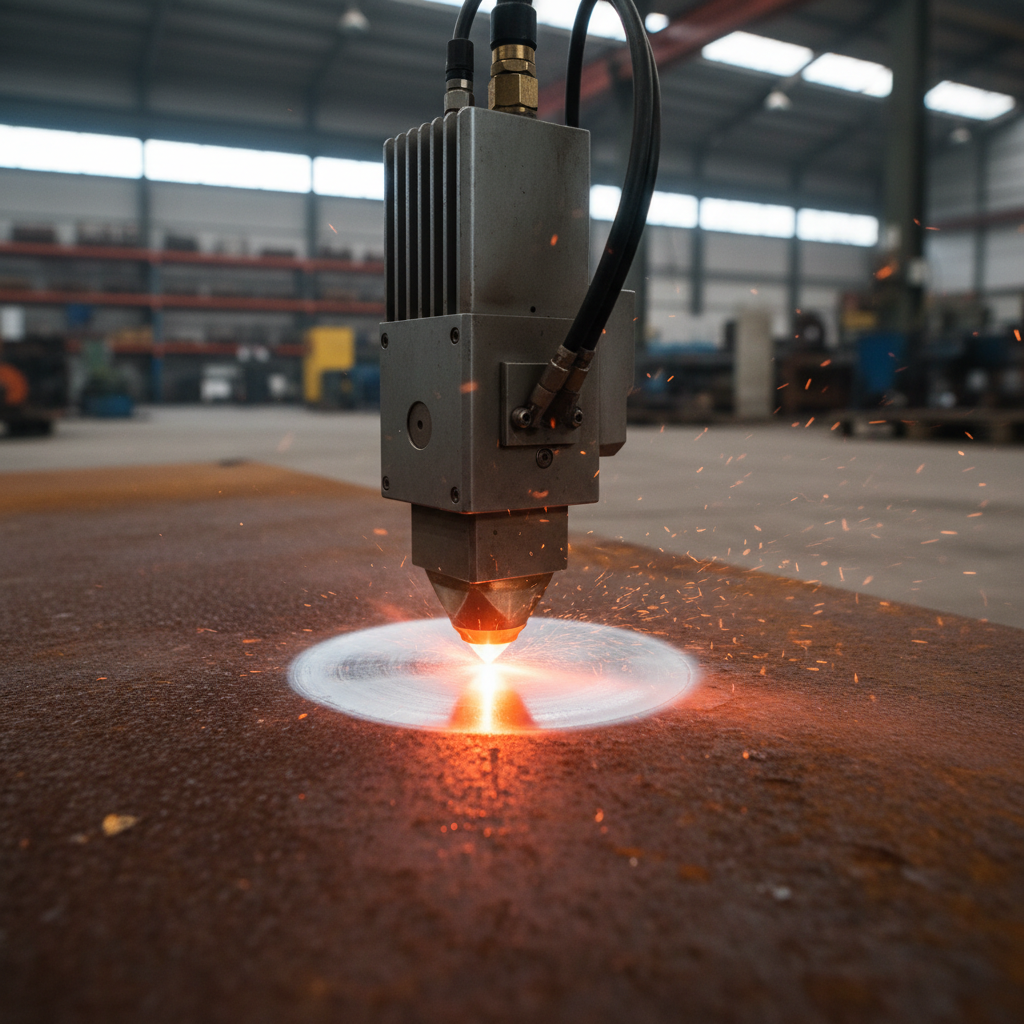
What is Laser Cleaning?
Laser cleaning is a process that uses laser light to remove contaminants, rust, paint, or other unwanted materials from surfaces. This method is non-abrasive and highly precise, making it ideal for delicate surfaces or intricate components. The laser works by emitting short pulses of light that vaporize the layer of dirt or rust without damaging the underlying material.
Unlike chemical cleaning, laser cleaning doesn’t require any consumables or produce hazardous waste, making it a sustainable choice. It’s used across various industries, from automotive to aerospace, due to its efficiency and precision.
Types of Laser Cleaning Equipment
Laser cleaning equipment can be categorized into different types based on power output and application. Here are some common types:
- Low-Power Lasers: Ideal for delicate applications such as artwork restoration or cleaning sensitive components.
- Medium-Power Lasers: Suitable for removing paint, rust, or grime from metals and non-metal surfaces.
- High-Power Lasers: Used in heavy industries for large-scale cleaning tasks, such as ship hulls or large machinery.
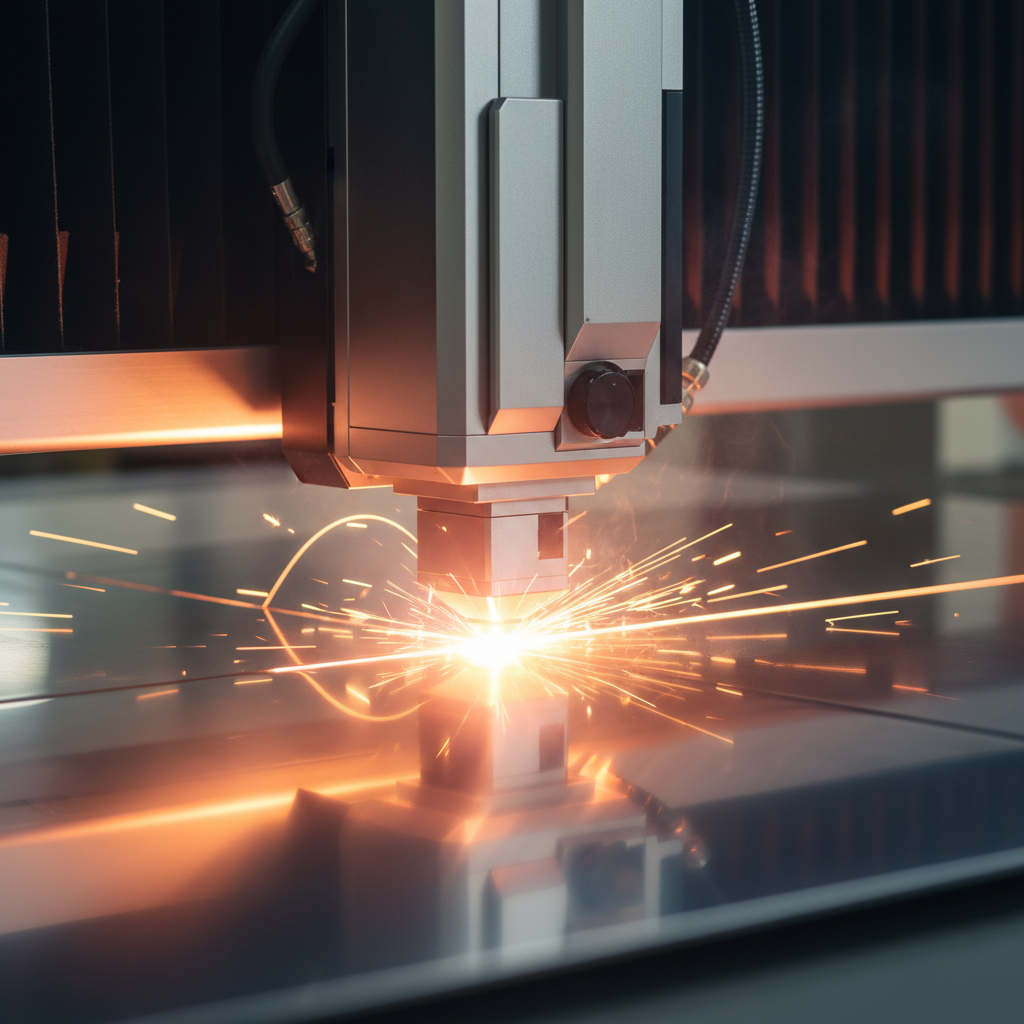
Advantages of Using Laser Cleaning Equipment
Laser cleaning offers numerous benefits over traditional methods. Here are some key advantages:
- Precision: Lasers can target specific areas without affecting surrounding materials, making them ideal for intricate parts.
- Environmental Impact: Since it does not require chemicals, laser cleaning is eco-friendly and produces minimal waste.
- Cost-Effective: Although the initial investment may be high, the lack of consumables and reduced labor costs make it economical in the long run.
Additionally, laser cleaning is faster than mechanical or chemical methods, which significantly reduces downtime.
Applications of Laser Cleaning
Laser cleaning is versatile and can be used in various industries. Common applications include:
- Automotive Industry: Removing paint, rust, and contaminants from car parts.
- Aerospace Industry: Cleaning aircraft components without causing damage.
- Restoration: Preserving historical artifacts and artworks by removing dirt and corrosion delicately.
Choosing the Right Laser Cleaning Equipment
When selecting laser cleaning equipment, consider the material and type of contaminants you need to remove. The power requirement and mobility of the equipment should also match your specific needs. Consulting with a specialist can help you choose the most appropriate system for your application.
It’s crucial to evaluate the technical support and training offered by the manufacturer to ensure optimal operation and maintenance of the equipment.
Conclusion
Laser cleaning equipment offers a cutting-edge solution for efficient and sustainable surface cleaning. By understanding the types, advantages, and applications of laser cleaning, businesses can make informed decisions to enhance their cleaning processes. As technology advances, laser cleaning will continue to expand its reach across industries, providing cleaner and safer environments.