
Laser Cleaning Technology vs. Traditional Methods: Which Is Right for You?
JM
Introduction to Cleaning Methods
Cleaning methods are essential for maintaining equipment, preserving historical artifacts, and ensuring safe industrial operations. While traditional cleaning methods like sandblasting and chemical cleaning have been widely used, laser cleaning technology presents a modern alternative. Deciding between these approaches depends on various factors, including the specific application and desired outcome.
Understanding Traditional Cleaning Methods
Traditional cleaning methods, such as sandblasting, chemical cleaning, and mechanical scrubbing, have been the go-to solutions for many industries. These techniques are effective for removing rust, paint, and contaminants from surfaces. However, they come with certain drawbacks.
Advantages of Traditional Methods
Traditional methods are often cost-effective and can be used on a wide range of surfaces. They are well-suited for large-scale projects where precision is not the primary concern. Additionally, these methods are time-tested and widely accessible, making them a popular choice for many industries.
Disadvantages of Traditional Methods
Despite their effectiveness, traditional cleaning methods can be abrasive and damaging to delicate surfaces. They often require additional cleanup due to the use of chemicals or abrasive materials. Moreover, they can pose environmental and health risks due to dust and chemical residues.

Exploring Laser Cleaning Technology
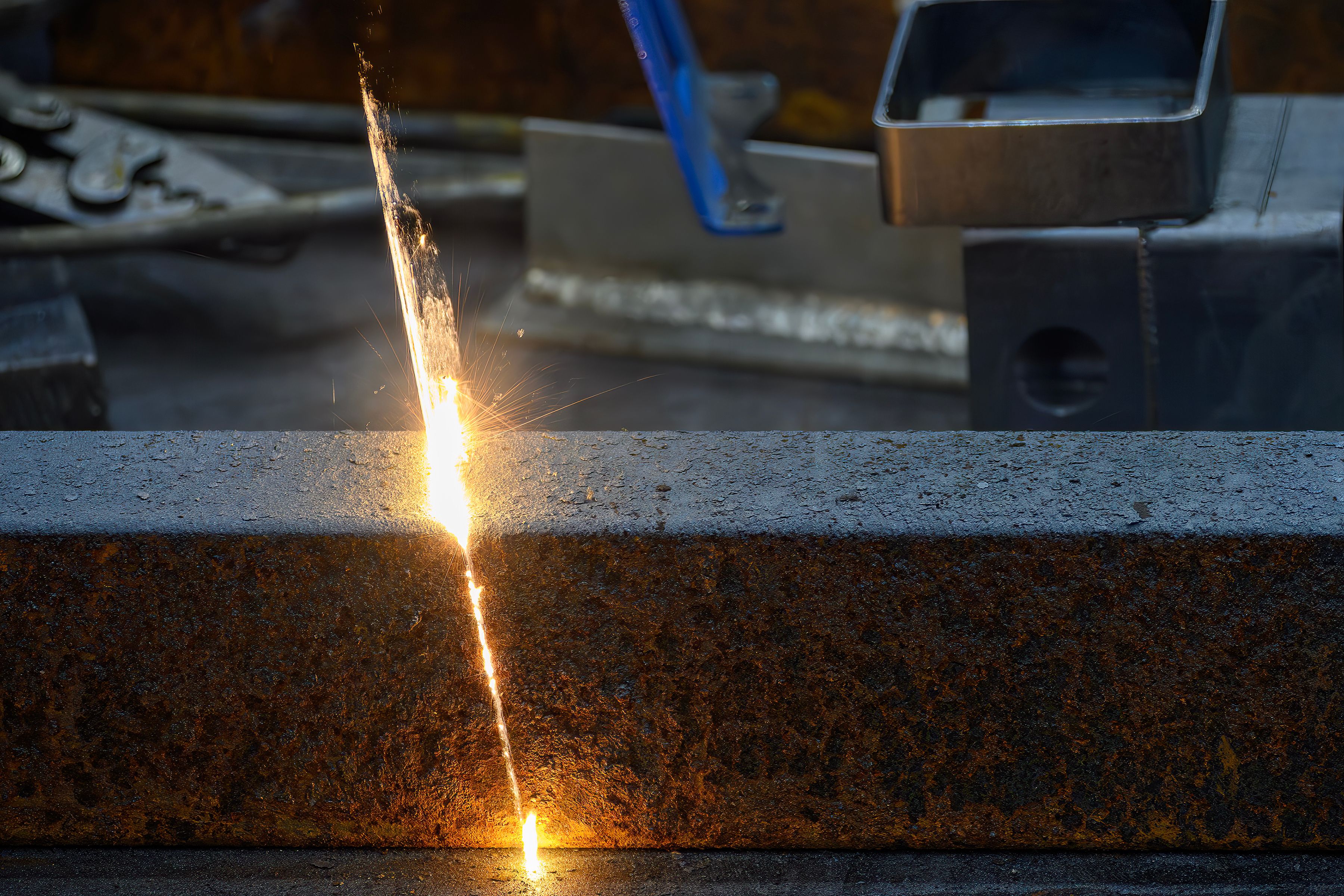
Laser cleaning technology offers a non-contact, precise alternative to traditional methods. By using focused laser beams, it can remove unwanted materials without damaging the underlying surface. This technology is gaining popularity in industries where precision and surface integrity are critical.
Advantages of Laser Cleaning
Laser cleaning is highly precise, making it ideal for delicate surfaces and intricate details. It is environmentally friendly, producing minimal waste and eliminating the need for harsh chemicals. The non-contact nature reduces wear and tear on the surfaces, preserving their integrity over time.

Disadvantages of Laser Cleaning
While innovative, laser cleaning technology can be expensive, especially for small-scale operations. The equipment requires specialized training and may not be suitable for all materials or applications. Additionally, the initial investment can be a barrier for some businesses.
Making the Right Choice
Choosing between laser cleaning technology and traditional methods depends on several factors. Consider the type of material, the scale of the project, and the desired outcome. For delicate or valuable items, laser cleaning may be the best choice. For more extensive, less sensitive applications, traditional methods might suffice.
Factors to Consider
- Material Sensitivity: Choose laser cleaning for delicate surfaces.
- Project Scale: Opt for traditional methods for large-scale operations.
- Environmental Impact: Laser cleaning is more eco-friendly.
- Cost and Budget: Consider initial investment and long-term benefits.
Ultimately, the decision should align with your specific needs and goals. By weighing the pros and cons of each method, you can ensure the most effective and efficient cleaning solution for your project.