
How Laser Ablation Transforms Industrial Cleaning: A Step-by-Step Tutorial
JM
Understanding Laser Ablation in Industrial Cleaning
In recent years, laser ablation has become a groundbreaking technology in the field of industrial cleaning. This innovative approach uses concentrated laser beams to remove unwanted materials from surfaces, offering a precise and environmentally friendly solution. This tutorial will guide you through the step-by-step process of how laser ablation is transforming industrial cleaning.
The Basics of Laser Ablation
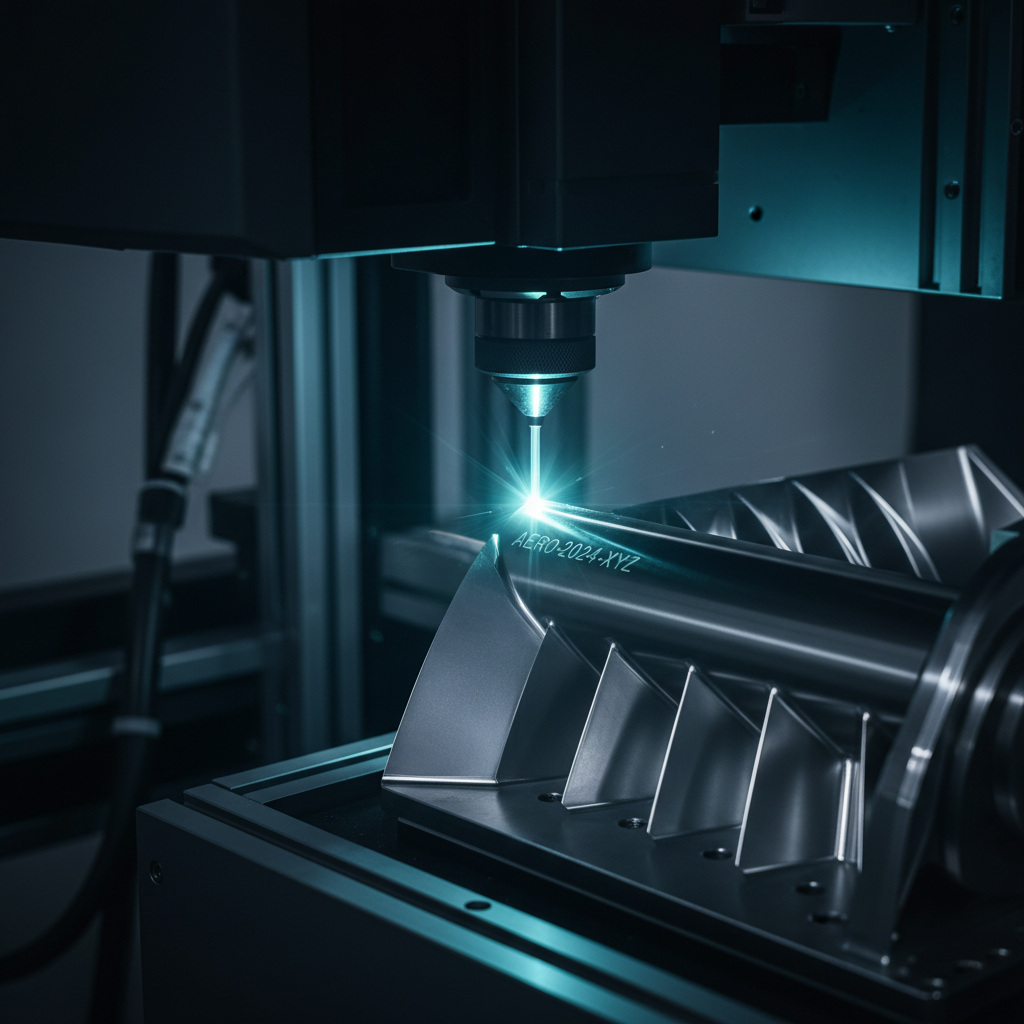
Laser ablation works by focusing a powerful laser beam onto a surface. The energy from the laser heats the material, causing it to vaporize and effectively remove contaminants without damaging the underlying surface. This method is particularly useful for cleaning metals, ceramics, and other durable materials.
Advantages of Laser Ablation
There are several advantages to using laser ablation for industrial cleaning. These include:
- Precision: Laser ablation can target specific areas without affecting surrounding materials.
- Efficiency: The process is quick and can be automated, reducing labor costs.
- Environmental Impact: Unlike traditional methods, laser cleaning does not require chemicals or produce harmful waste.
Step-by-Step Tutorial on Laser Ablation
Step 1: Preparing the Equipment
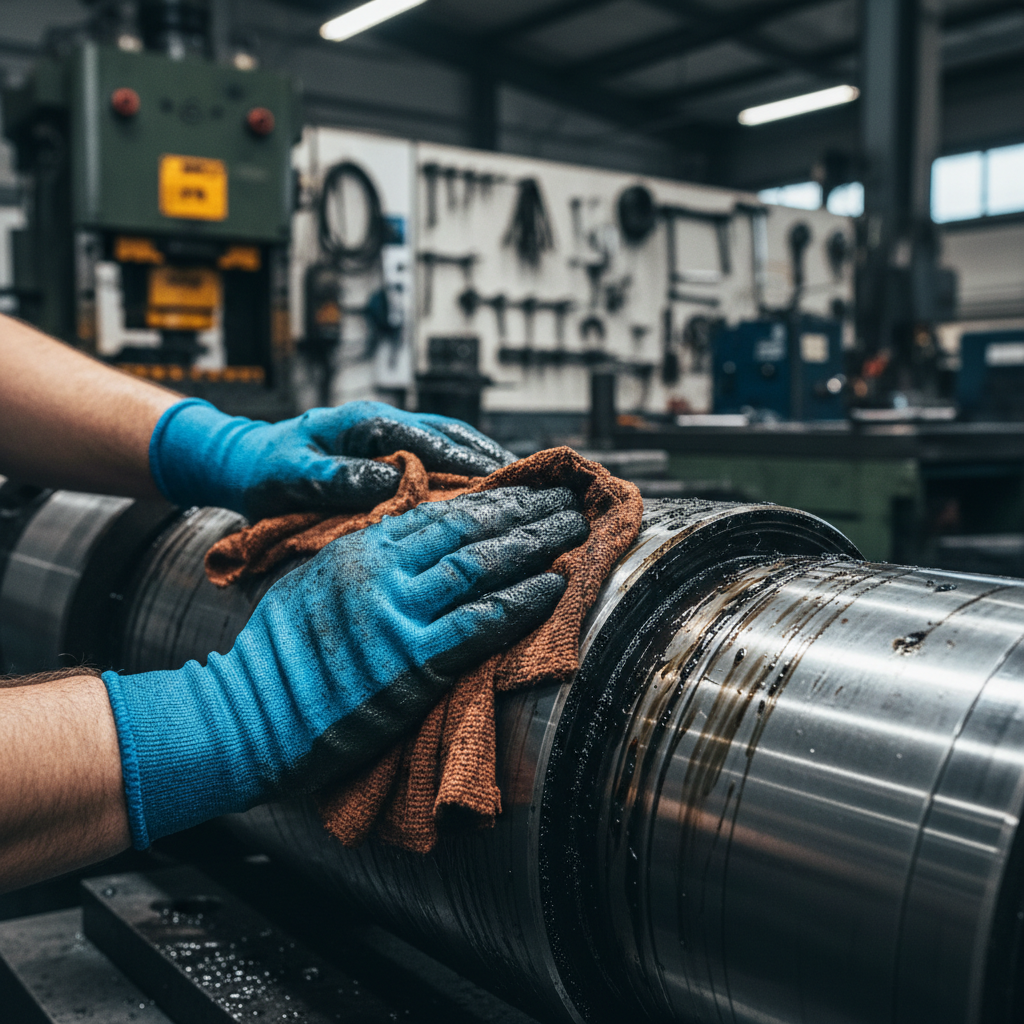
The first step involves setting up the laser equipment. Ensure that the laser is calibrated correctly and the target surface is accessible. Safety precautions, such as wearing protective eyewear, should also be in place to prevent accidents.
Step 2: Adjusting the Laser Settings
Adjust the laser settings based on the material type and the level of contamination. Factors like laser power, pulse duration, and frequency must be optimized to ensure effective cleaning without damaging the substrate.
Step 3: Executing the Cleaning Process
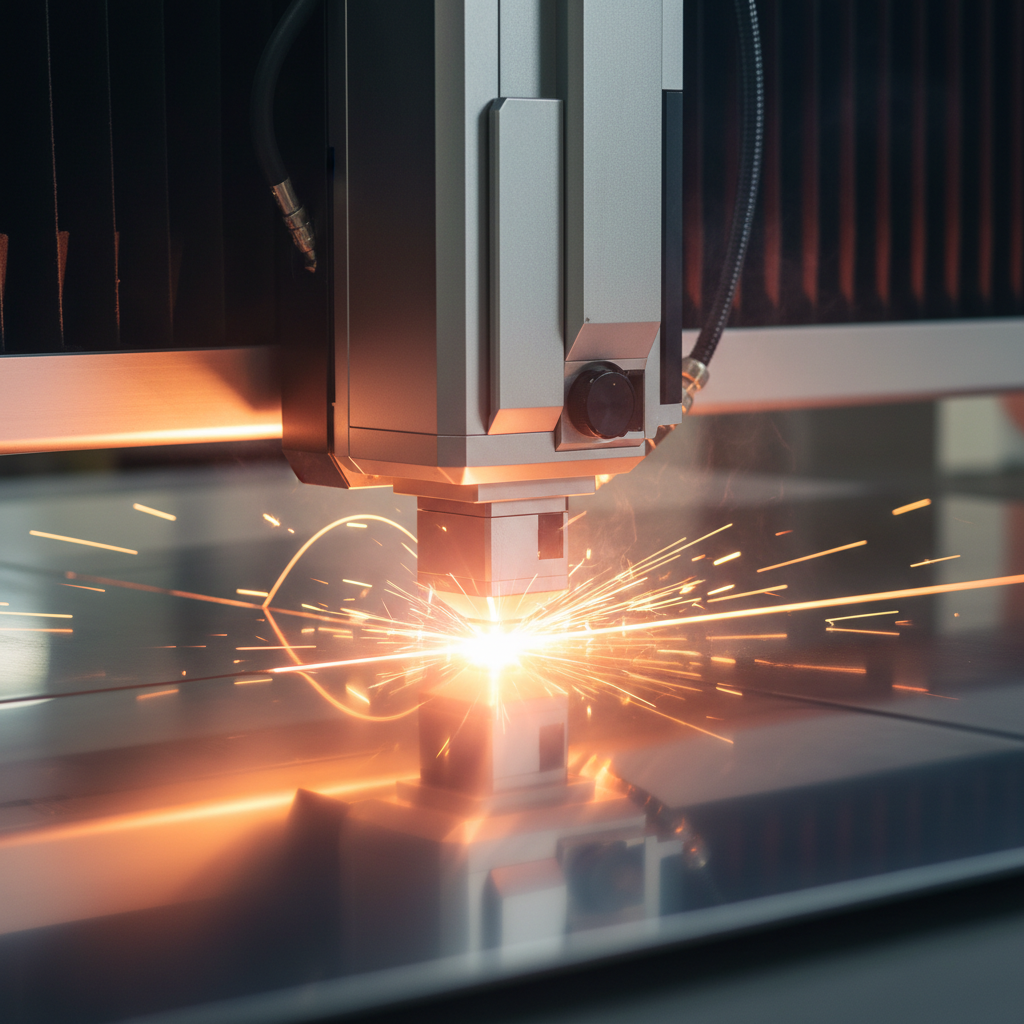
Once the laser is calibrated and settings are adjusted, begin the cleaning process. The laser should be moved systematically across the surface to ensure even cleaning. Operators should monitor the process to adjust settings as needed for optimal results.
Step 4: Post-Cleaning Evaluation
After the cleaning is complete, evaluate the surface to ensure all contaminants have been removed. This may involve visual inspections or using surface analysis tools to verify cleanliness levels. Any remaining areas can be retouched as needed.
Conclusion: The Future of Industrial Cleaning
Laser ablation is revolutionizing the way industries approach cleaning. Its precision, efficiency, and eco-friendly nature make it an attractive option for modern industrial applications. As technology continues to advance, laser cleaning is poised to become even more integral to maintaining the integrity and performance of industrial components.