
Handheld Laser Machines: A Modern Approach to Wood Restoration
JM
Introduction to Handheld Laser Machines
Wood restoration has come a long way, evolving from traditional methods to more innovative approaches. Among these modern techniques, handheld laser machines are gaining attention for their efficiency and precision. These devices are transforming the way wood is restored, offering a cleaner and more sustainable solution.
How Handheld Laser Machines Work
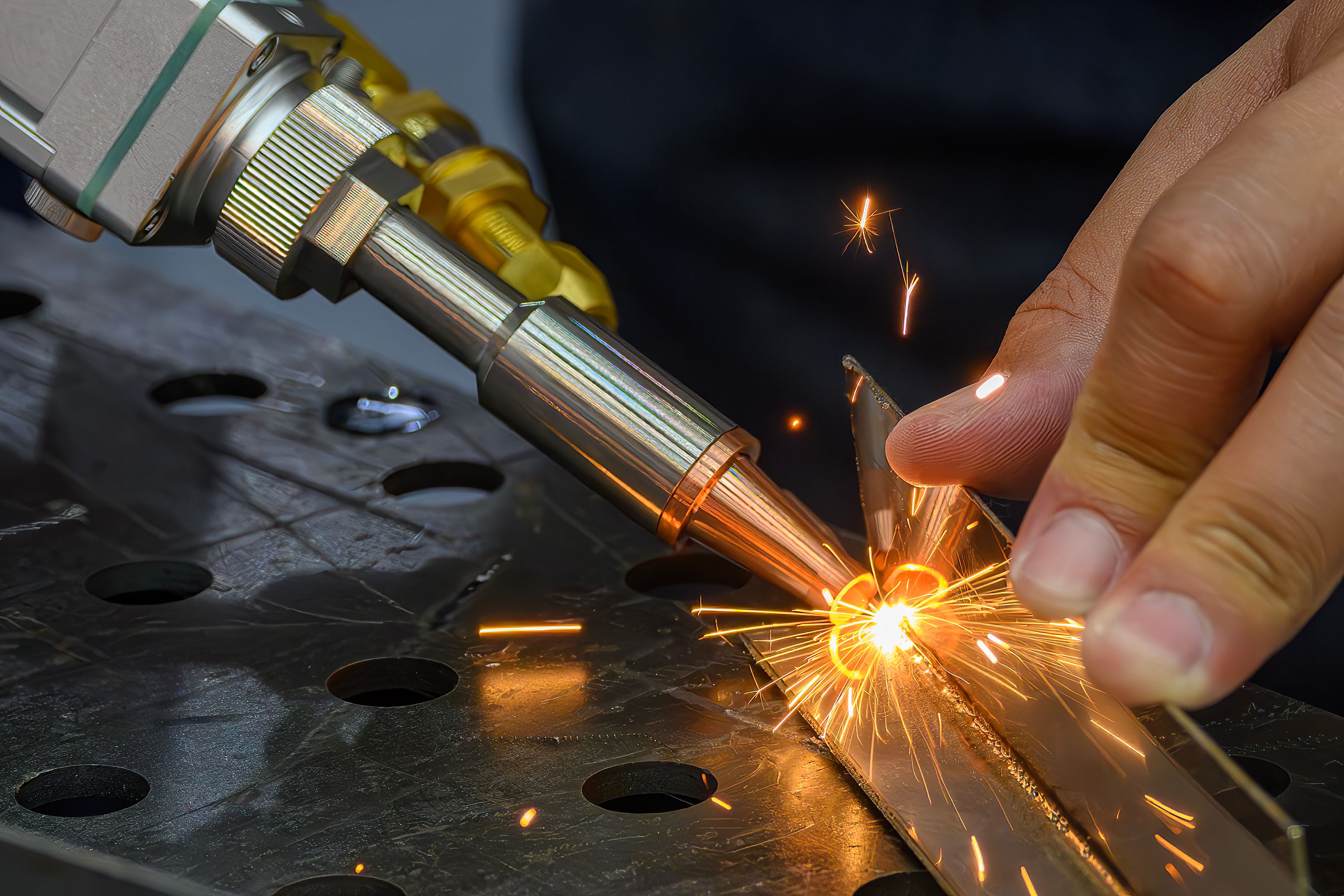
The technology behind handheld laser machines involves using focused laser beams to remove unwanted layers from wood surfaces. This process is non-contact, meaning it does not physically touch the wood, reducing the risk of damage. The laser targets only the specific areas that need restoration, leaving the rest of the surface untouched.
This method allows for precise control and can handle intricate details that traditional methods might struggle with. The result is a smooth, clean surface ready for further treatment or finishing.
Benefits of Using Laser Technology
There are several advantages to using handheld laser machines for wood restoration:
- Precision: The laser can target specific areas without affecting surrounding wood.
- Efficiency: The process is quicker than manual methods, saving time and labor costs.
- Sustainability: It reduces the need for chemical strippers, making it an eco-friendly option.
- Versatility: Suitable for various types of wood and finishes.
Applications in Wood Restoration
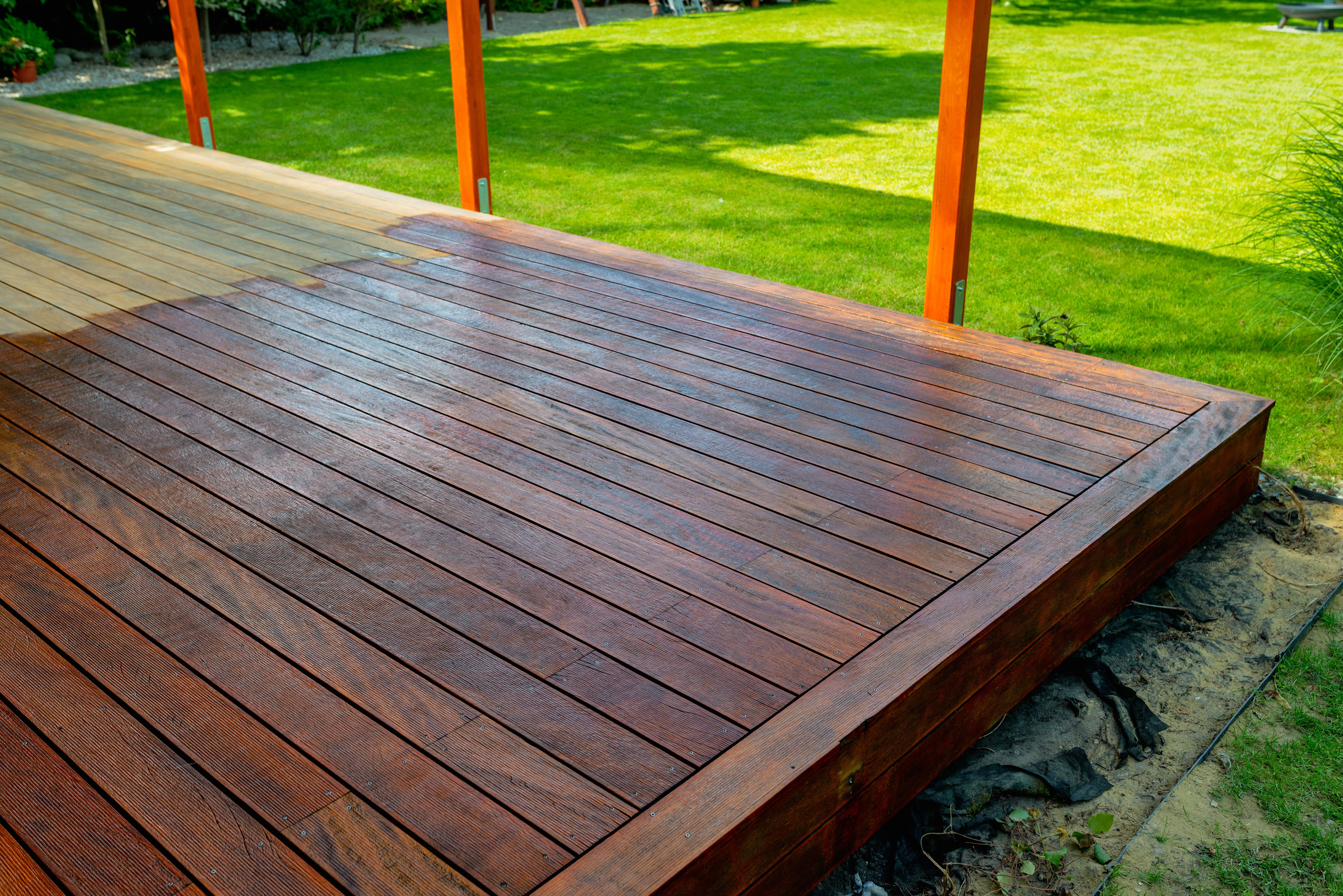
Handheld laser machines are versatile tools that can be applied to various wood restoration projects. Whether it's antique furniture, historic wood structures, or everyday household items, these lasers can handle a wide range of tasks. They are particularly beneficial for restoring delicate or valuable pieces where maintaining the original integrity is crucial.
The ability to adjust laser settings allows users to work on different wood types and finishes, making it a flexible solution for diverse restoration needs.
Challenges and Considerations
While handheld laser machines offer numerous benefits, there are some considerations to keep in mind. The initial investment in laser equipment can be high, though the long-term savings in labor and material costs often justify it. Additionally, operators need training to use the machines effectively and safely.

Future of Wood Restoration
The adoption of handheld laser machines in wood restoration is expected to grow as more professionals recognize their advantages. As technology advances, these devices will likely become even more accessible and efficient, further revolutionizing the industry.
With ongoing research and development, the potential applications for laser technology in wood restoration continue to expand, promising a future where restoration is done with greater precision and care.