
Eco-Friendly Rust Removal: Why Laser Cleaning is the Future
JM
Understanding Rust and Its Challenges
Rust is a common issue that affects metal surfaces, leading to deterioration and structural weakness. Traditional rust removal techniques often involve harsh chemicals or abrasive methods that can harm the environment and the metal itself. As industries seek more sustainable solutions, laser cleaning has emerged as a promising eco-friendly alternative.
Unlike conventional methods, laser cleaning uses high-intensity laser beams to remove rust without damaging the underlying material. This innovative approach not only preserves the integrity of metal surfaces but also minimizes environmental impact, making it an ideal choice for industries aiming for sustainability.
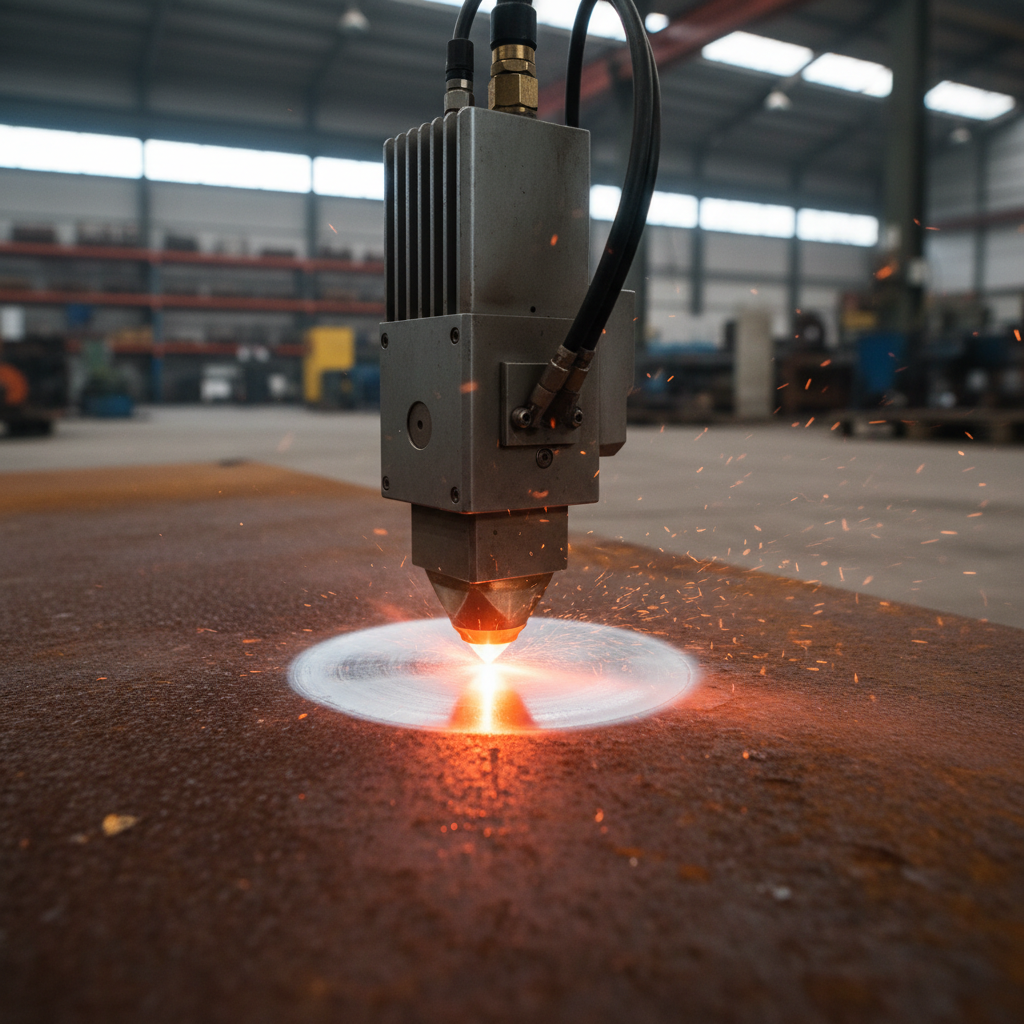
How Laser Cleaning Works
The process of laser cleaning involves directing a focused laser beam onto the rusted surface. The energy from the laser is absorbed by the rust, causing it to vaporize or break down into dust particles. This method is highly precise, allowing for targeted cleaning without affecting nearby areas.
Laser cleaning is effective on various metals, including steel, aluminum, and copper, making it versatile for different applications. Additionally, it eliminates the need for chemical solvents, reducing the risk of hazardous waste production.
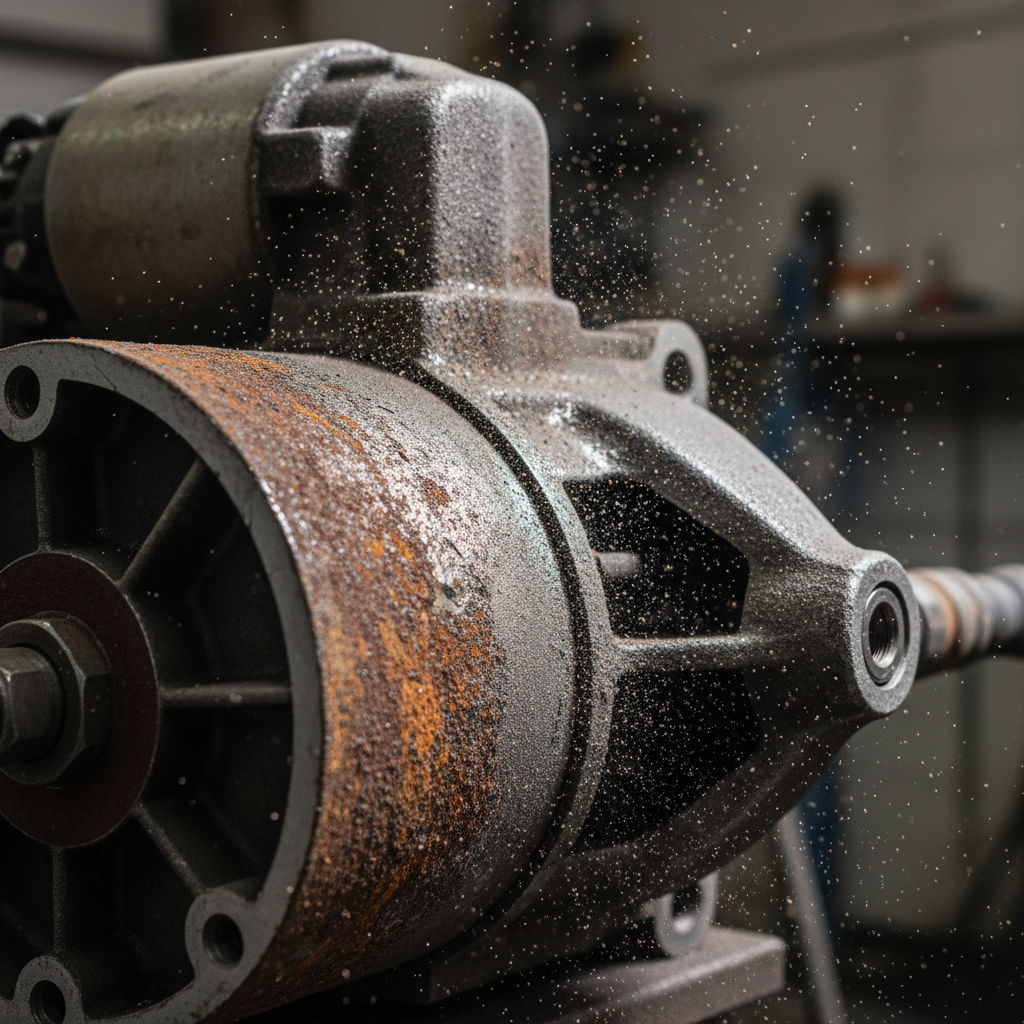
Benefits of Eco-Friendly Laser Cleaning
Laser cleaning offers numerous advantages over traditional rust removal methods. Here’s why it is considered the future of rust removal:
- Environmentally Friendly: No chemicals are involved, ensuring a safer process for both operators and the planet.
- Precision: The laser can be adjusted for different levels of rust, providing a customized cleaning solution.
- Cost-Effective: Although the initial investment may be higher, laser cleaning reduces long-term costs associated with waste disposal and material loss.
Applications Across Industries
Laser cleaning is rapidly gaining popularity across various sectors. In the automotive industry, it is used for cleaning car parts and frames. The aerospace sector benefits from its precision in maintaining aircraft components. Additionally, heritage conservation projects employ laser cleaning to restore historical artifacts without causing further damage.
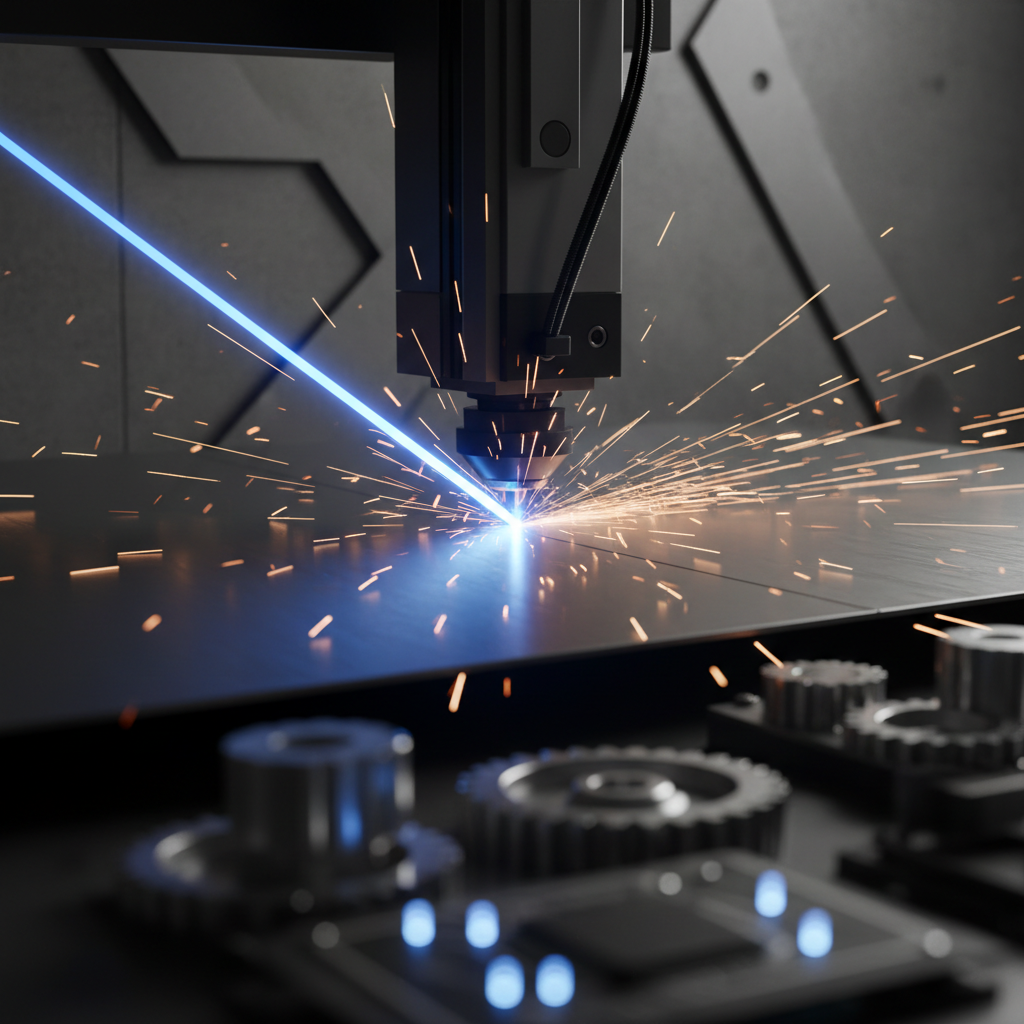
Overcoming Initial Costs
One of the primary concerns for businesses considering laser cleaning is the initial cost. While the technology may require a significant upfront investment, the long-term savings and environmental benefits often outweigh these costs. Companies can also explore leasing options or government incentives aimed at promoting eco-friendly technologies.
Moreover, as technology advances and becomes more widespread, the costs are expected to decrease, making it accessible to smaller businesses and individual users.
Embracing a Sustainable Future
As industries continue to prioritize sustainability, embracing technologies like laser cleaning becomes crucial. By choosing eco-friendly rust removal methods, companies not only contribute to environmental preservation but also enhance their reputation as responsible and forward-thinking organizations.
Laser cleaning represents a significant step forward in rust removal technology, offering a cleaner, greener, and more efficient solution for maintaining metal surfaces. As awareness grows, it is set to become a standard practice in various fields.