
Case Study: Successful Restoration of Historical Monuments in Mooresville Using Laser Technology
JM
Introduction to Historical Monument Restoration
The preservation of historical monuments is crucial for maintaining cultural heritage and educating future generations. In Mooresville, a groundbreaking approach using laser technology has transformed the restoration process, ensuring that these structures remain intact for years to come.
The Challenge of Restoring Historical Monuments
Restoring historical monuments presents a unique set of challenges. Traditional methods often involve abrasive techniques that can damage delicate surfaces. The goal is to preserve the integrity of these structures while removing dirt, grime, and other pollutants accumulated over time.
Mooresville faced similar challenges with its historic sites. The need for a more precise and less invasive method led to the exploration of advanced technologies.
Laser Technology: A Revolutionary Approach
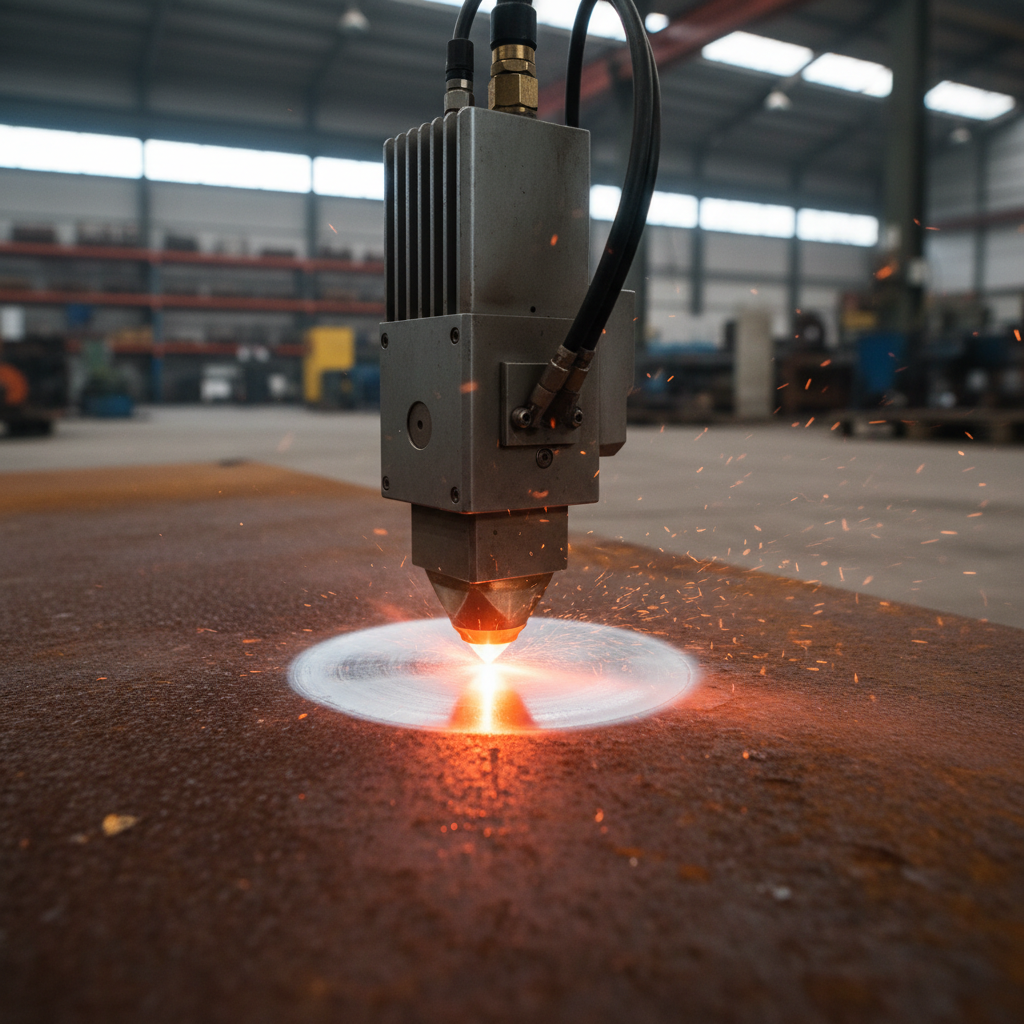
Laser technology has emerged as a revolutionary tool in the restoration of historical monuments. It offers a non-invasive method for cleaning and restoring surfaces without causing damage. This technology uses focused light to remove unwanted materials, providing precision that traditional methods lack.
In Mooresville, laser technology was employed to carefully clean and restore the town’s landmark buildings. This innovative approach ensured that the original architecture remained unscathed while achieving remarkable results.
Benefits of Using Laser Technology
The use of laser technology in restoration brings numerous benefits:
- Precision: Lasers allow for accurate targeting of areas that need cleaning.
- Non-invasive: The method avoids physical contact with the monument, reducing the risk of damage.
- Environmentally friendly: Laser restoration does not require chemicals, making it a cleaner option.
Case Study: Successful Restoration in Mooresville
One of the standout projects in Mooresville was the restoration of the Old Town Hall. This monument, rich in history and architectural significance, required careful handling. Laser technology enabled restorers to remove layers of pollution and restore the building to its former glory.

Community feedback was overwhelmingly positive, with many expressing appreciation for the preservation of their local heritage. The successful restoration has also attracted tourists, boosting local economy.
Lessons Learned and Future Applications
The success in Mooresville has provided valuable insights into the potential of laser technology for wider applications. Other towns and cities can learn from Mooresville’s experience, applying similar techniques to preserve their own historical sites.
Future projects are already being planned, with laser technology at the forefront of the restoration strategy. The aim is to continue enhancing the preservation of cultural heritage through innovative methods.
Conclusion: A Bright Future for Historical Preservation
The restoration of historical monuments in Mooresville using laser technology marks a significant advancement in preservation techniques. By embracing innovation, Mooresville has set a precedent for other communities, ensuring that historical monuments continue to inspire and educate for generations to come.