Case Study: How Laser Ablation Saved Time and Money for Local Businesses
JM
Introduction to Laser Ablation
In today's fast-paced business environment, efficiency and cost-effectiveness are critical. This is where laser ablation technology comes into play. This cutting-edge technique has proven to be a game-changer for local businesses, offering significant savings in both time and money.
Laser ablation is a process that uses a laser to remove material from a solid surface. It is widely used in industries such as manufacturing, electronics, and even art restoration. The precision and versatility of this technology make it an invaluable tool for businesses looking to streamline their operations.

Benefits of Laser Ablation
Time Efficiency
One of the most compelling advantages of laser ablation is its ability to save time. Traditional methods of material removal can be labor-intensive and time-consuming. Laser ablation, however, offers a much faster solution, often completing tasks in a fraction of the time.
This efficiency translates into quicker project turnarounds and the ability to take on more projects without compromising on quality. For local businesses, this means staying competitive and meeting customer demands more effectively.

Cost Savings
In addition to time savings, laser ablation also reduces costs. By minimizing material waste and reducing the need for manual labor, businesses can significantly cut down on expenses. Moreover, the precision of laser ablation means fewer mistakes, leading to lower costs associated with errors and rework.
For small and medium-sized enterprises, these savings can be substantial, allowing for reinvestment in other areas of the business or improving profit margins.
Real-World Applications
Manufacturing
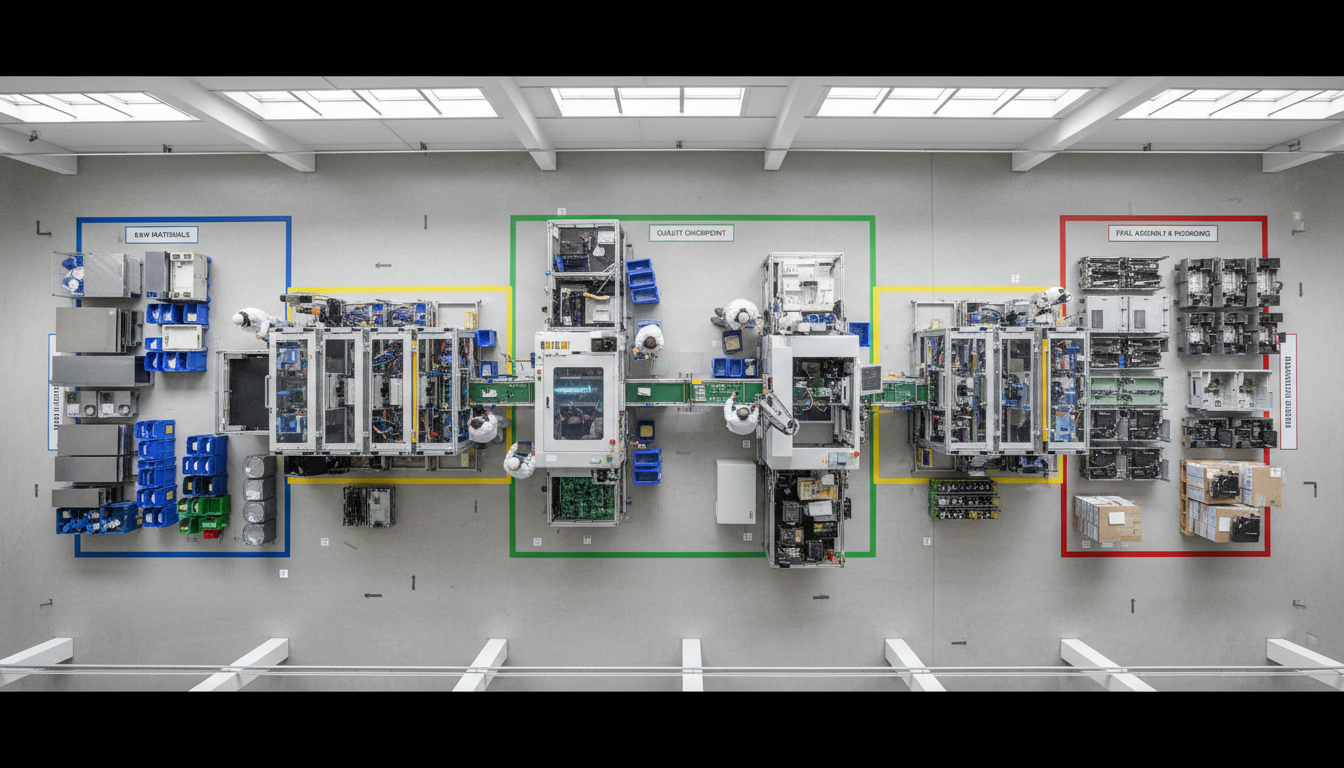
In the manufacturing sector, laser ablation is used for tasks such as cutting, engraving, and cleaning. Its precision ensures high-quality results, making it ideal for producing intricate components.
Electronics
Electronics companies benefit from laser ablation in the production of circuit boards and other delicate components. The non-contact nature of the process prevents damage to sensitive materials, ensuring product integrity.
Conclusion
Laser ablation has emerged as a powerful tool for local businesses seeking to improve efficiency and reduce costs. Its applications across various industries demonstrate its versatility and effectiveness. By embracing this technology, businesses can not only save time and money but also achieve a competitive edge.
As more companies recognize the benefits of laser ablation, its adoption is likely to grow, further solidifying its role as a cornerstone of modern industrial processes.